

Post at a Glance


Effective SEO Strategy is necessary for online success. Search Engine Optimization (SEO) isn’t just about ranking higher on Google; it’s about connecting with your audience, delivering value, and building a sustainable online presence.
Whether you’re a small business owner, a content creator, or a marketing professional, mastering an Effective SEO Strategy can transform your website’s visibility and performance. Below, we share 10 heartfelt tips to help you craft an Effective SEO Strategy that drives results, engages users, and keeps you ahead of the competition.
10 SEO Strategy Tips
1. Understand Your Audience for an Effective SEO Strategy
The foundation of any Effective SEO Strategy lies in knowing your audience. Start by researching who your target users are, what they search for, and why. Tools like Google Analytics, Ahrefs, or SEMrush can reveal demographic insights, search behaviors, and pain points. Create detailed buyer personas to guide your content creation and keyword targeting.
For example, if you’re a fitness brand, are your users searching for “quick home workouts” or “beginner yoga tips”? Tailoring your strategy to their needs ensures your content resonates, boosting engagement and rankings.
Empathy is key here. Put yourself in your audience’s shoes understand their challenges and aspirations. This heartfelt approach not only improves user experience but also aligns with search engines’ focus on relevance and intent.
2. Conduct Thorough Keyword Research
Keyword research is the heartbeat of an Effective SEO Strategy. Identify terms and phrases your audience uses when searching for your products, services, or content. Use tools like Google Keyword Planner, Moz, or Answer.
ThePublic to uncover high-volume, low-competition keywords. Focus on a mix of short-tail (e.g., “SEO tips”) and long-tail keywords (e.g., “how to create an effective SEO strategy for beginners”) to capture diverse search intents.
Don’t just chase volume prioritize relevance. Keywords should align with your brand’s goals and your audience’s needs. Regularly update your keyword list to reflect trending terms and seasonal opportunities.
3. Optimize On-Page Elements for an Effective SEO Strategy
On-page SEO is where technical precision meets user-focused content.
To build an Effective SEO Strategy, optimize key elements like:
- Title Tags: Include your primary keyword (e.g., “Effective SEO Strategy”) and keep it under 60 characters.
- Meta Descriptions: Craft compelling summaries under 160 characters to boost click-through rates.
- Headings: Use H1, H2, and H3 tags with keywords to structure content clearly.
- URL Structure: Keep URLs short, descriptive, and keyword-rich (e.g., yoursite.com/effective-seo-strategy).
- Image Alt Text: Describe images with relevant keywords for accessibility and SEO.
These tweaks signal to search engines that your content is relevant and user-friendly, improving your chances of ranking higher.

4. Create High-Quality, Value-Driven Content
Content is king in any Effective SEO Strategy, but quality reigns supreme. Search engines like Google prioritize content that’s informative, engaging, and original. Focus on creating in-depth articles, guides, or videos that answer your audience’s questions. For instance, a blog post like this one packed with actionable tips demonstrates expertise and builds trust.
Incorporate storytelling, data, and visuals to make your content compelling. Regularly update older posts to keep them fresh and relevant. Quality content not only attracts visitors but also earns backlinks, a critical factor in SEO success.
5. Leverage Technical SEO for an Effective SEO Strategy
Technical SEO ensures your website is crawlable, fast, and secure core components of an Effective SEO Strategy.
Focus On:
- Site Speed: Use tools like Google PageSpeed Insights to optimize loading times.
- Mobile Optimization: Ensure your site is responsive, as mobile searches dominate.
- SSL Certificates: Secure your site with HTTPS for user trust and ranking benefits.
- XML Sitemaps: Submit sitemaps to Google Search Console for better indexing.
- Fix Broken Links: Regularly audit your site to eliminate 404 errors.
A technically sound website enhances user experience and helps search engines understand your content, boosting your rankings.
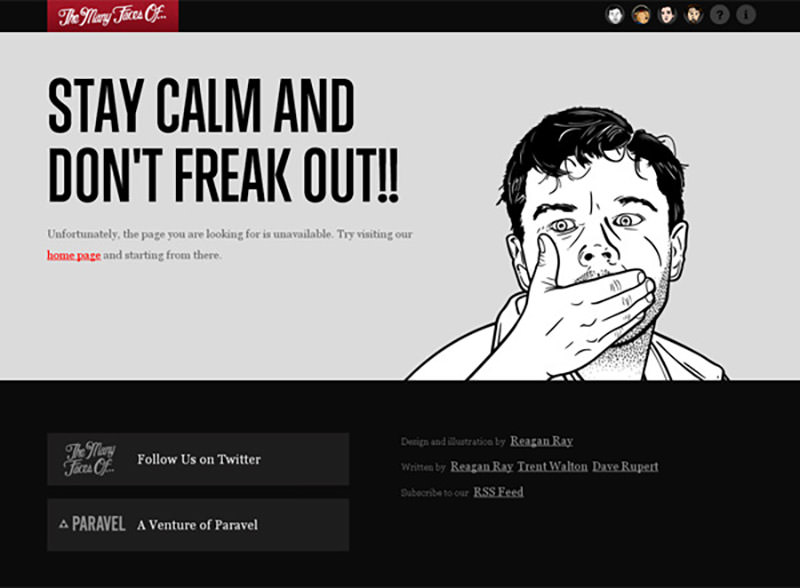
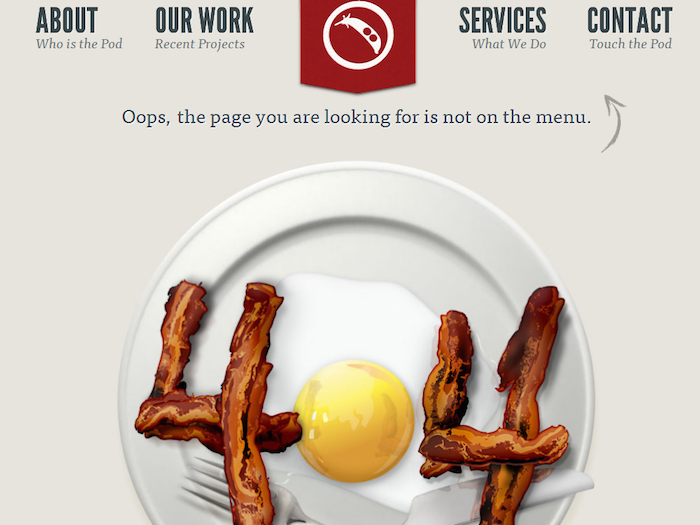
404 Error Page Examples

Stay Calm 404
Lego 404

Bot 404

Chuck Norris 404

404 Funny or Die

Bacon and Eggs 404
6. Build a Strong Backlink Profile
Back-links links from other reputable websites to yours are a powerful signal of authority in an Effective SEO Strategy. Focus on earning high-quality back-links from trusted sites in your niche.
Strategies Include:
- Guest Blogging: Write valuable content for industry blogs with a link back to your site.
- Outreach: Connect with influencers or bloggers to share your content.
- Create Linkable Assets: Develop infographics, case studies, or ultimate guides that others want to reference.
Avoid spammy link-building tactics, as they can lead to penalties. Quality over quantity is the mantra here.
7. Prioritize User Experience (UX)
Search engines increasingly value user experience in their algorithms. An Effective SEO Strategy integrates UX by ensuring your website is easy to navigate, visually appealing, and intuitive.
Key actions include:
- Clear Navigation: Use logical menus and internal linking to guide users.
- Engaging Design: Choose clean layouts and readable fonts.
- Low Bounce Rates: Keep users on your site with relevant, engaging content.
Google’s Core Web Vitals metrics like loading speed, interactivity, and visual stability are now ranking factors. A seamless UX keeps visitors coming back and signals quality to search engines.
8. Harness the Power of Local SEO
For businesses with a physical presence, local SEO is a game-changer in an Effective SEO Strategy. Optimize your Google Business Profile with accurate details like your address, phone number, and hours. Encourage customers to leave positive reviews, as these boost local rankings. Use location-specific keywords (e.g., “Effective SEO Strategy services in New York”) in your content and meta tags.
Local SEO connects you with nearby customers, driving foot traffic and conversions. It’s a heartfelt way to build community trust and visibility.
9. Monitor and Analyze Performance
You can’t improve what you don’t measure. An Effective SEO Strategy. `requires ongoing tracking to assess what’s working and what isn’t.
Use tools like Google Analytics, Google Search Console, or Ahrefs to monitor:
- Organic Traffic: Are visitors finding you through search?
- Keyword Rankings: Are your target keywords climbing?
- Bounce Rates and Dwell Time: Are users engaging with your content?
- Backlink Growth: Are you earning quality links?
Regularly analyze data to refine your strategy. For example, if a blog post isn’t ranking, update it with new keywords or additional content. Data-driven decisions keep your SEO efforts on track.
10. Stay Updated with SEO Trends
SEO is dynamic, with algorithms and best practices evolving constantly. To maintain an Effective SEO Strategy, stay informed about industry changes. Follow trusted sources like Moz, Search Engine Journal, or Google’s SEO Blog. Join communities on platforms like X to discuss trends and share insights.
Recent trends include the rise of AI-driven search, voice search optimization, and a focus on E-E-A-T (Experience, Expertise, Authoritativeness, Trustworthiness). Adapting to these shifts ensures your strategy remains competitive and future-proof.
Building Your Effective SEO Strategy

Crafting an Effective SEO Strategy is both an art and a science. By understanding your audience, conducting thorough keyword research, optimizing on-page and technical elements, creating stellar content, and staying adaptable, you can elevate your website’s visibility and impact.
These 10 tips provide a roadmap to success, blending technical precision with a heartfelt focus on user needs. Start implementing these strategies today, and watch your online presence soar. With dedication and the right approach, your Effective SEO Strategy will drive traffic, engagement, and growth for years to come.
Related Posts:




 | Web Design Services: Custom, responsive sites with stunning UX/UI, fast load times & SEO-ready code. Convert visitors into customers.More >> |
 | Search Engine Optimization Services: Boost your site's visibility with tailored keyword research, on-page optimization & analytics. Drive organic traffic!More >> |
 | WordPress Services: Custom themes, WooCommerce, speed & SEO optimization. Secure, scalable sites that rank higher & convert better.More >> |